

#crone #corner
🧹 🧹Origins of the Flying Broomstick Myth🧹🧹

 Female Autonomy.

The broomstick, a domestic tool associated with women, also carried phallic symbolism. Riding it became a metaphor for female sexuality and rebellion against patriarchal norms. The broom thus transformed from a humble sweeper into a symbol of magical defiance.

Pagan Fertility Rituals

 In pre-Christian Europe, fertility rites involved people leaping through fields with poles or brooms to encourage crop growth. These rituals may have contributed to the imagery of airborne witches, especially when combined with ecstatic dancing and chants. (Also a wedding tradition when couples would jump over a broom.)

Confessions Under Torture

The first recorded confession of broomstick flight came from Guillaume Edelin, a male accused of witchcraft in 1453. Under torture, he claimed to have flown on a broomstick—cementing the motif in witch trial lore.

Literature & Art

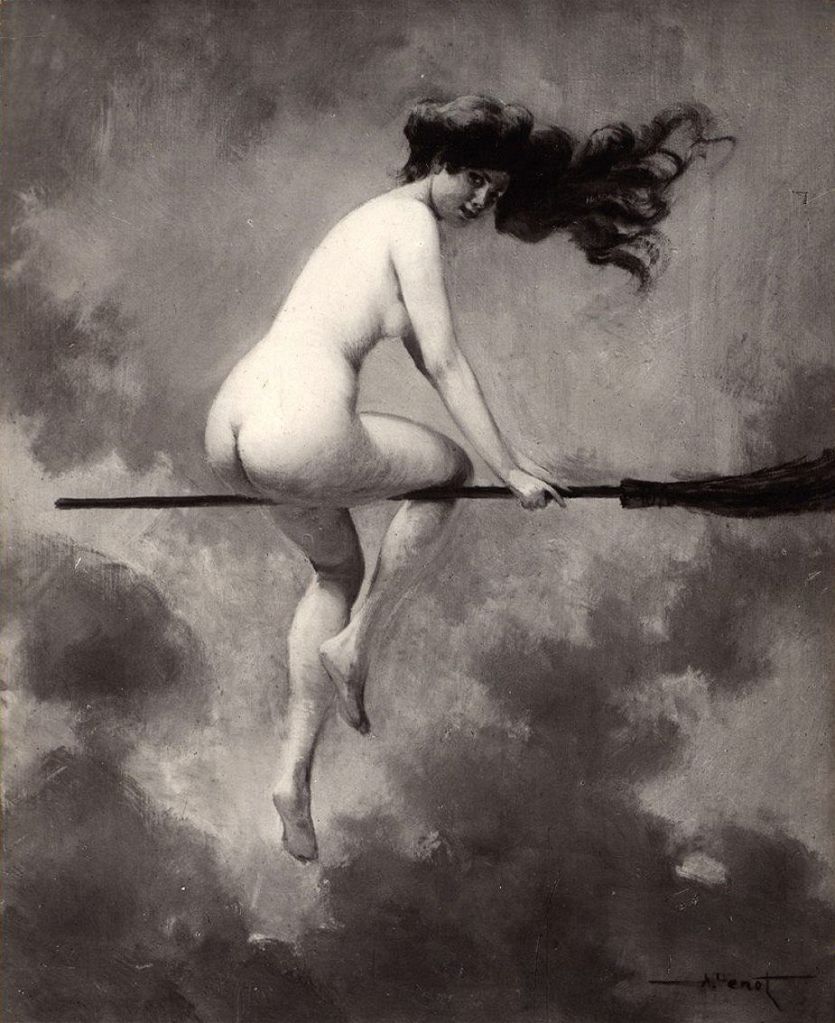
Over time, artists and writers—especially during the Renaissance and later Gothic periods—popularized the image. Paintings like Luis Ricardo Falero’s The Witches’ Sabbath (1880) helped fix the silhouette of the airborne witch in the cultural imagination.

©✍️CarolynCrossley+CoPilotAI


Sources:
Forbes.com
AtlasOscura
 VIXEN of VERSE
You must be logged in to post a comment.